
When Jack was diagnosed with lumbar spinal canal stenosis, everyday life began to narrow.
 Persistent lower back and leg pain made walking difficult. Standing for longer periods became uncomfortable. At one stage, even short distances felt exhausting. Like many people living with spinal stenosis, he was told surgery might eventually be necessary.
But Jack wanted to explore every non surgical option before considering an operation.
Understanding Lumbar Spinal Stenosis
Lumbar spinal stenosis occurs when the spinal canal narrows and places pressure on the nerves in the lower back. This can lead to back pain, leg pain, heaviness, weakness and reduced walking tolerance.
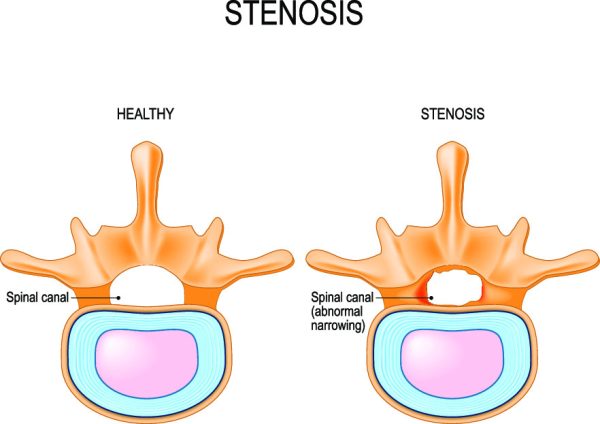
While surgery can be appropriate in certain cases, conservative treatment for spinal stenosis is often recommended first, especially in older adults.
Doing nothing while waiting, however, can make things worse.
Reduced activity leads to muscle weakness, poorer balance and declining endurance. Over time, this can increase frailty and reduce confidence in movement.
The Role of Exercise Before Surgery
Rather than relying solely on medication or injections, Jack followed a structured exercise approach designed to restore movement safely.
His programme focused on:
- Improving motor control in the lower back
- Strengthening the muscles that support posture
- Gradually rebuilding walking tolerance
- Restoring confidence in movement
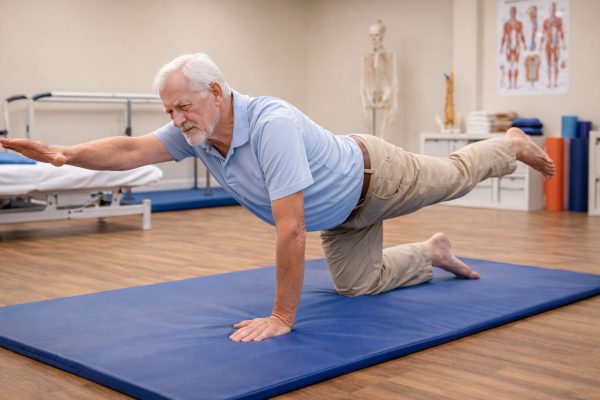
Motor control exercises are particularly important in spinal stenosis. They retrain how the brain and muscles coordinate movement, improving spinal stability and reducing strain during daily activities.
With consistent guidance and progression, Jack went from struggling to walk to gardening, cycling and even travelling abroad.

His improvement was gradual, but meaningful.
If you would like to hear Jack describe his recovery journey from lumbar spinal canal stenosis in his own words, you can watch his full story here: